
NYLON 6 has become the backbone of high-performance tire cord production, offering the perfect balance of strength, durability, and flexibility that modern tires demand.
The specialized processing of nylon 6 transforms raw polymer into the reinforcing cords that give tires their shape, stability, and longevity.
This article explores how advanced nylon 6 processing technologies create the superior tire cords that keep vehicles safe on the road.
Nylon 6 is renowned for its impressive strength relative to its weight, making it an ideal material for tire cords.
This superior strength-to-weight ratio means that manufacturers can create robust and durable tires without significantly increasing their overall weight.
Lighter tires not only enhance fuel efficiency by reducing rolling resistance but also improve vehicle performance and handling.
One of the standout features of Nylon 6 is its remarkable fatigue resistance, which is crucial for tire performance.
Tires undergo constant flexing, bending, and stress as vehicles navigate various terrains and conditions.
Nylon 6 can endure these repetitive cycles without succumbing to wear and tear, ensuring that the tires maintain their structural integrity over time.
Heat management is a critical factor in tire performance, particularly during high-speed driving or in hot weather conditions.
Nylon 6 exhibits excellent heat resistance, allowing it to maintain its physical properties even at the elevated temperatures commonly experienced by tires.
This heat stability is essential, as it prevents deformation or degradation of the tire structure, which can lead to blowouts or reduced performance.
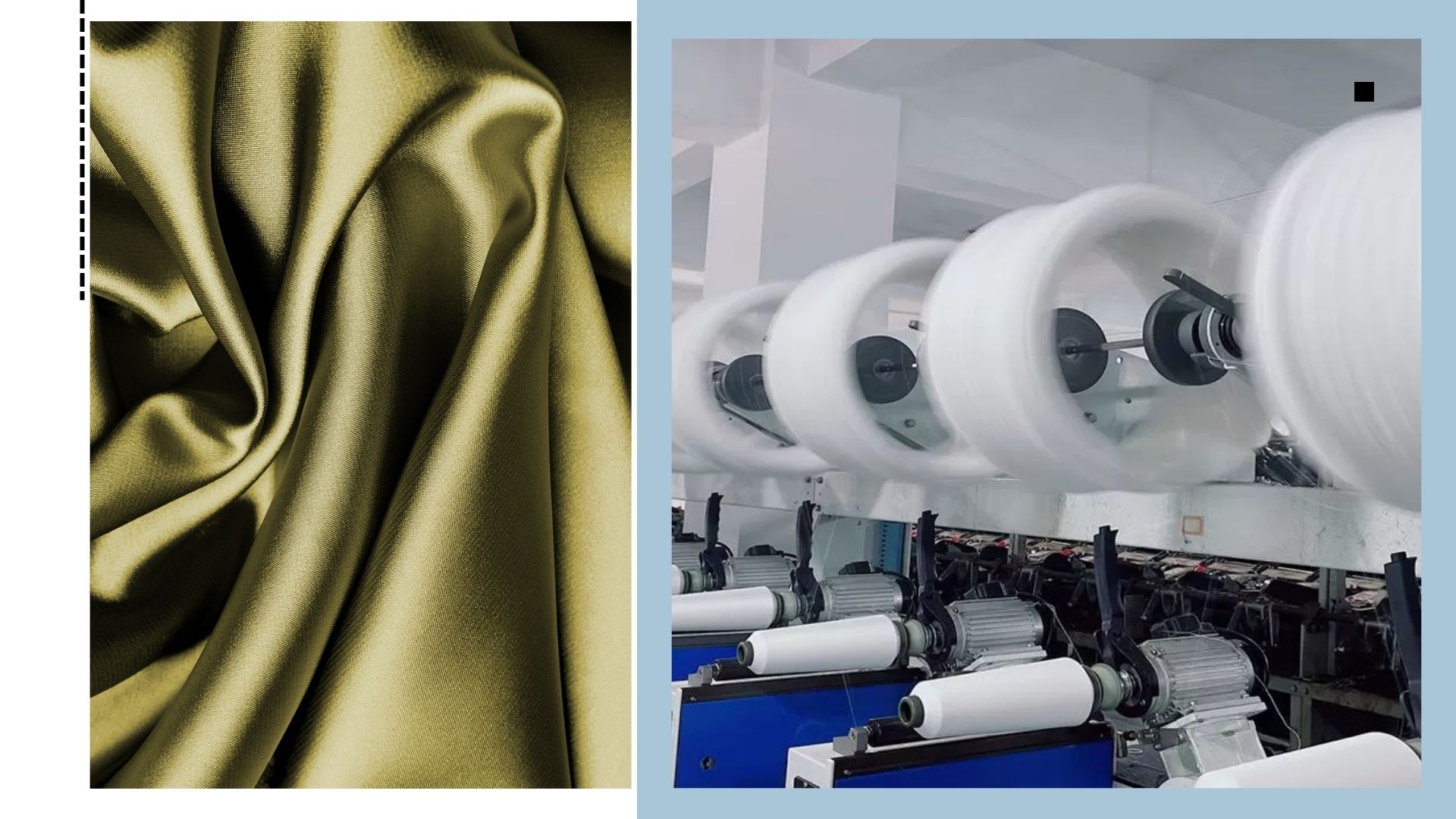
The initial stage of Nylon 6 processing involves precision spinning, which plays a critical role in defining the fiber structure of the cords.
This process ensures that the fibers are uniformly produced, leading to consistent diameter and density throughout the length of the cord.
Properly controlled spinning results in fibers that possess enhanced tensile strength and flexibility, as the molecular arrangement is optimized.
Following spinning, the cords undergo an optimized drawing process, which is essential for maximizing their strength and dimensional stability.
During this phase, the Nylon 6 fibers are stretched to align the polymer chains in a parallel configuration.
This alignment significantly increases the tensile strength of the cords, making them more resistant to breaking under stress.

The final step in the processing of Nylon 6 cords is controlled heat setting, which is crucial for ensuring that the cords retain their properties under the demanding conditions of tire operation.
During this process, the cords are subjected to specific temperatures that allow for the relaxation of internal stresses and further stabilization of the molecular structure.
This heat setting process locks in the desired characteristics of the cords, such as strength and flexibility, enabling them to perform effectively even at high temperatures generated during driving.
One of the key advantages of Nylon 6 in tire reinforcement is its excellent adhesion compatibility with rubber compounds.
This property is critical because a strong bond between the tire cord and the rubber matrix is essential for overall tire performance.
The chemical structure of Nylon 6 allows it to form strong interfacial connections with various rubber formulations, ensuring that the tire maintains its structural integrity even under extreme conditions.
Nylon 6 exhibits impressive moisture resistance, making it particularly well-suited for tire applications that encounter wet conditions.
Unlike some other materials that may absorb water and weaken over time, Nylon 6 maintains its mechanical properties when exposed to moisture.
This characteristic is vital for tires, as they often face variable weather conditions, including rain and humidity.
Another significant benefit of using Nylon 6 in tire reinforcement is its ability to effectively absorb impacts.
Tires are subjected to various road shocks from potholes, bumps, and uneven surfaces, which can stress the tire structure.
Nylon 6’s inherent toughness and flexibility enable it to dissipate these impacts, reducing the transmission of shock to the tire’s rubber and overall structure.

Modern high-speed spinning technologies have revolutionized the production of tire cords by enabling manufacturers to produce more consistent filaments at significantly greater production rates.
These advanced spinning methods utilize state-of-the-art machinery that can operate at much higher speeds without sacrificing quality.
As a result, the filaments produced exhibit uniform diameter and density, which are crucial for ensuring the overall strength and performance of the tire.
Innovations in advanced orientation control have further enhanced the mechanical properties of tire cords.
This technique involves precisely adjusting the alignment of polymer chains during the manufacturing process, resulting in cords that possess tailored strength, flexibility, and durability.
By optimizing the orientation, manufacturers can create cords that are specifically designed to meet the performance requirements of different tire applications, whether for passenger vehicles, trucks, or specialized equipment.
The integration of quality monitoring systems throughout the tire cord manufacturing process ensures that every meter of cord meets strict specifications.
These systems utilize advanced sensors and data analytics to continuously assess the quality of the cords as they are produced.
By monitoring key parameters such as tensile strength, diameter, and consistency in real-time, manufacturers can quickly identify and address any deviations from established standards.
Processing techniques are crucial in eliminating weak spots within tire cords, which can significantly enhance tire safety.
Consistent and precise manufacturing processes ensure that the cords have uniform strength and quality throughout their length.
Any weak spots could compromise the tire’s structural integrity, especially under high stress or adverse conditions.

The optimization of the cord-rubber interface is another critical aspect of processing that directly impacts tire safety.
Proper surface treatments applied during manufacturing enhance the adhesion between the Nylon 6 cords and the rubber matrix.
This strong bond is essential for ensuring that the cords effectively support the tire structure and transmit forces without separating.
Maintaining dimensional stability during the processing of tire cords is vital for preventing issues that could distort tire shape and performance.
Inconsistent processing can lead to cord shrinkage or expansion, which may alter the tire’s intended design and functionality.
This stability is essential for ensuring that tires fit correctly on vehicles and perform optimally, contributing to enhanced handling, fuel efficiency, and overall safety.
Processing plays a crucial role in controlling thermal expansion, which is essential for maintaining proper tension in tire cords across varying temperature ranges.
Tires experience significant temperature fluctuations during operation, especially due to friction and environmental conditions.
If the cords are not processed correctly, they may expand or contract in ways that could alter their tension and performance.
The way tire cords are processed significantly impacts their ability to withstand repeated bending, which is critical for enhancing flex fatigue life.
Tires are subjected to continuous flexing as vehicles move over various surfaces, and this repeated stress can lead to material fatigue over time.
Advanced processing techniques, such as optimized drawing and heat setting, help align the polymer chains within the cords, enhancing their resistance to fatigue.

The optimization of cord construction through processing is vital for achieving a balance between strength and flexibility, which is essential for long tread life.
Different tire applications require different characteristics; for instance, high-performance tires may need stiffer cords for better handling, while off-road tires may require more flexibility to navigate rough terrain.
This optimization helps to prevent premature wear and tear, enabling tires to maintain their performance over extended periods.
Innovative smart tension control systems are revolutionizing the processing of Nylon 6 tire cords by maintaining optimal cord properties throughout production.
These advanced systems utilize sensors and real-time data analytics to monitor tension levels during the manufacturing process.
This precise control not only enhances the quality of the final product but also contributes to greater efficiency in manufacturing.
The introduction of energy-efficient thermal processes is transforming the way Nylon 6 tire cords are produced, significantly reducing the environmental impact of manufacturing without compromising quality.
These processes employ advanced technologies that optimize heat application, ensuring that the cords achieve the necessary properties while minimizing energy consumption.
This innovation not only supports sustainability goals but also aligns with the growing demand for eco-friendly practices in the tire industry.
The integration of AI-driven quality prediction systems is enhancing the reliability of Nylon 6 tire cord processing by anticipating and preventing defects before they occur.
These intelligent systems analyze data collected during production to identify patterns and potential issues that may lead to quality failures.
This predictive approach minimizes waste and rework, leading to more efficient production processes.

Modern processing techniques are increasingly compatible with recycled materials, allowing for the incorporation of recycled Nylon 6 in tire cords.
This innovation supports sustainability by reducing the demand for virgin raw materials and minimizing waste.
Advanced processing methods enable manufacturers to effectively blend recycled nylon with new materials, ensuring that the resultant cords maintain high performance and durability standards.
Precision control in the processing of Nylon 6 tire cords plays a critical role in minimizing production scrap and reducing material waste.
This reduction in scrap not only conserves resources but also lowers costs associated with material procurement and disposal.
Consequently, reducing material waste contributes to a more sustainable production cycle, benefiting both the environment and the bottom line.
The adoption of modern processing technologies has led to lower energy consumption in the production of Nylon 6 tire cords.
These advanced processes are designed to use less power per kilogram of cord produced, which helps to minimize the environmental footprint of manufacturing operations.
Energy-efficient techniques, such as improved heating methods and optimized machinery, reduce the overall energy requirements without compromising the quality or performance of the tire cords.
Co-dhùnadh
The processing of nylon 6 for tire cords represents a perfect marriage of materials science and precision engineering.
Every step in the transformation from polymer pellets to finished cord directly impacts tire performance, safety, and durability.
As tire technology advances to meet new challenges, nylon 6 processing continues to evolve - ensuring this remarkable material remains at the heart of tire construction.
Contact us to discuss how advanced nylon 6 processing can enhance your tire cord quality and manufacturing efficiency.
Don't settle for standard processing when customized solutions can give your tires a competitive edge.

Dlighe-sgrìobhaidh © 2019-2022 Zhejiang Leinuo Textile Technology Co., Ltd. Gach còir glèidhte. Am polasaidh prìobhaideachd Cumhachan is Cùmhnantan
 EN
EN  AR
AR NL
NL FR
FR DE
DE HI
HI IT
IT JA
JA KO
KO NO
NO PL
PL PT
PT RO
RO RU
RU ES
ES SV
SV ID
ID LV
LV LT
LT SR
SR SK
SK SL
SL UK
UK VI
VI TH
TH TR
TR FA
FA AF
AF MS
MS SW
SW GA
GA CY
CY BE
BE IS
IS MK
MK YI
YI HY
HY AZ
AZ EU
EU KA
KA HT
HT UR
UR BN
BN BS
BS CEB
CEB EO
EO GU
GU HA
HA HMN
HMN IG
IG JW
JW KN
KN KM
KM LO
LO LA
LA MI
MI MR
MR MN
MN NE
NE PA
PA SO
SO